
Why Cargo from Pakistan Sits at the Port After It Has Arrived
The flight or the ship can be on time, and you still wait. Relatives in Dubai, London or Toronto hear that the cargo has “arrived”, then nothing happens for ten days. In that gap you pay storage at the destination, and you start to think the goods are lost.
Arrival is not the same as delivery. This article is about the wait after the vessel or aircraft lands: papers, unpaid local charges, and a vague list. It is not a transit-time chart (that is how long international cargo takes) and it is not our customs clearance service page.
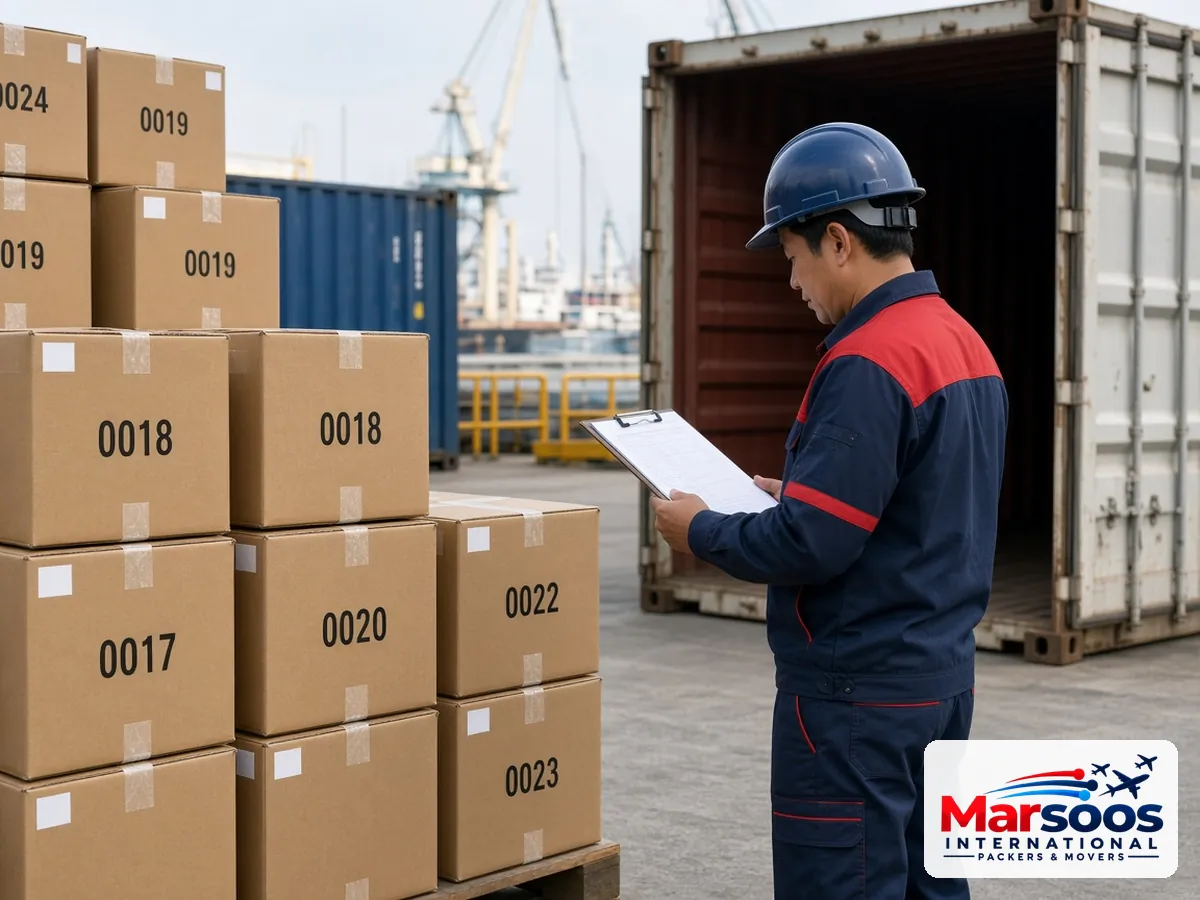
Arrived Means It Reached the Port, Not Your Door
Air cargo reaches an airline warehouse. Sea cargo reaches a terminal. Someone must file papers, pay destination charges, and book a truck. Until that is done, the boxes sit. Tracking that stops at “arrived” is normal. It is not proof of a problem yet, and it is not proof of delivery.
Ask Which Stage You Are In
- Landed: the carrier has the goods
- In customs or pending documents: the file is open
- Released: duties and terminal fees are settled
- Out for delivery: a truck is booked
Our tracking page explains how to read an airway bill or bill of lading. Use the number, not a screenshot of a WhatsApp status.
The Three Reasons Household Cargo Sits
The List Does Not Match the Boxes
Customs and the destination agent work from the packing list. “Household items, 20 boxes” invites a full check. A numbered list that matches the cartons usually moves faster. If you added a carton after the list was closed, say so before the goods land.
Papers the Receiver Did Not Prepare
For a house move into the UK, that often means Transfer of Residence (ToR1) applied too late. We covered the form in documents for cargo from Pakistan to the UK. For goods coming into Pakistan, the 15-day booking rule and Transfer of Residence here are in shipping household goods to Pakistan. A relative who cannot produce a passport on a weekday is also a delay.
Charges Nobody Budgeted
A door-to-door quote should say whether destination terminal fees are included. A cheap port-to-port rate often stops at the airport or quay. The receiver then pays local handling before the goods can move. That argument, not the ocean, is why many shipments sit.
Port Storage Is a Clock
Once free time at the terminal ends, storage is charged by the day. Answering a document request the same day is cheaper than waiting until Friday.

What You Can Do Before It Lands
- Confirm in writing whether your quote is door-to-door or port-to-port.
- Send the numbered list to the person who will receive the goods.
- Ask which documents they must show, and on which days they can be there.
- Keep the airway bill or bill of lading number where you can copy it.
- If the destination needs a residence form, apply before the goods arrive.
What to Do If It Is Already Sitting
Ask the cargo desk for the current stage, the missing document, and the daily storage rate. Move the answers onto WhatsApp so you have a record. Do not pay a new “urgent fee” in cash to an unnamed person. If the goods are being held for a surprise bill that was not in the quote, treat it like the checks in {L(‘how-to-spot-a-fake-mover-in-pakistan’, ‘how to spot a fake mover’)}: get the amount in writing first.
Conclusion
Most cargo that “arrives” and then waits is waiting for a list, a form, or a destination charge. Fix those before the landing date and the last mile is routine. Send us the destination city and your list if you want the quote to include that last mile. Cargo desk: +92 333 5371111.
Frequently Asked Questions
Why has my cargo arrived but not been delivered?
Arrival is landing at the port or airport. Delivery needs clearance, local fees and a truck. Ask which of those is still open.
Who pays destination charges?
Usually the receiver, unless your quote clearly says door-to-door with those fees included.
Can a vague packing list delay clearance?
Yes. A numbered list that matches the cartons is faster than “household goods”.
What if the person in the UK or UAE is at work all week?
Name a receiver who can show papers on a weekday, or the goods wait.
Is sitting at the port the same as lost cargo?
No. Lost means the carrier has no record. Sitting means there is a record and an unfinished step.
How do I check the real status?
Use the airway bill or bill of lading on the carrier’s site, and ask your agent which stage is open.